Will AI Make Us Less Intelligent?
The worry that AI will erode independent thought assumes we were doing our own thinking to begin with. The real question has never been whether we outsource our thinking, but to whom.

Practical guidance on implementing AI and understanding its impact on your business
The worry that AI will erode independent thought assumes we were doing our own thinking to begin with. The real question has never been whether we outsource our thinking, but to whom.
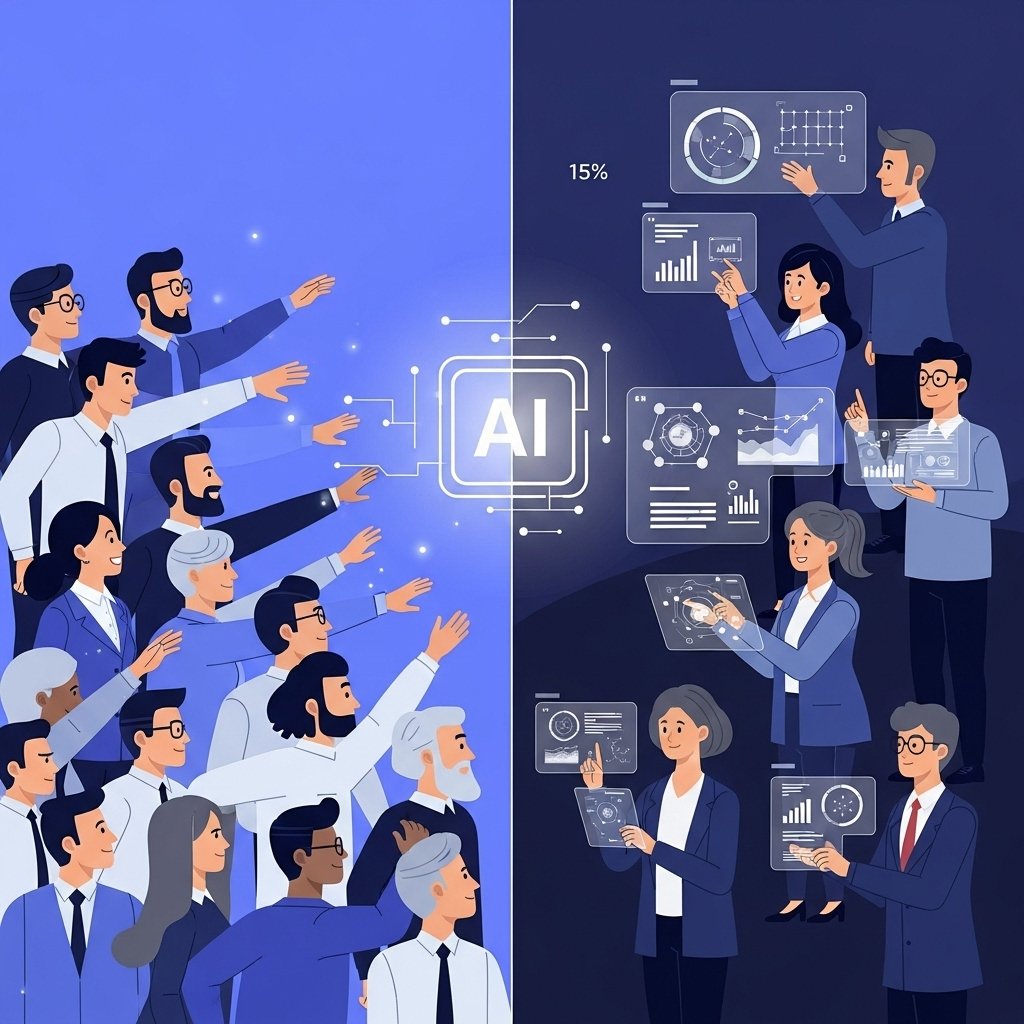
85% of small and mid-sized businesses want to use AI. Less than 15% actually do. This gap is both a challenge and an opportunity to bridge it.

Mark Cuban said it plainly: there will be companies great at AI, and companies they put out of business. Here's why AI adoption isn't optional.
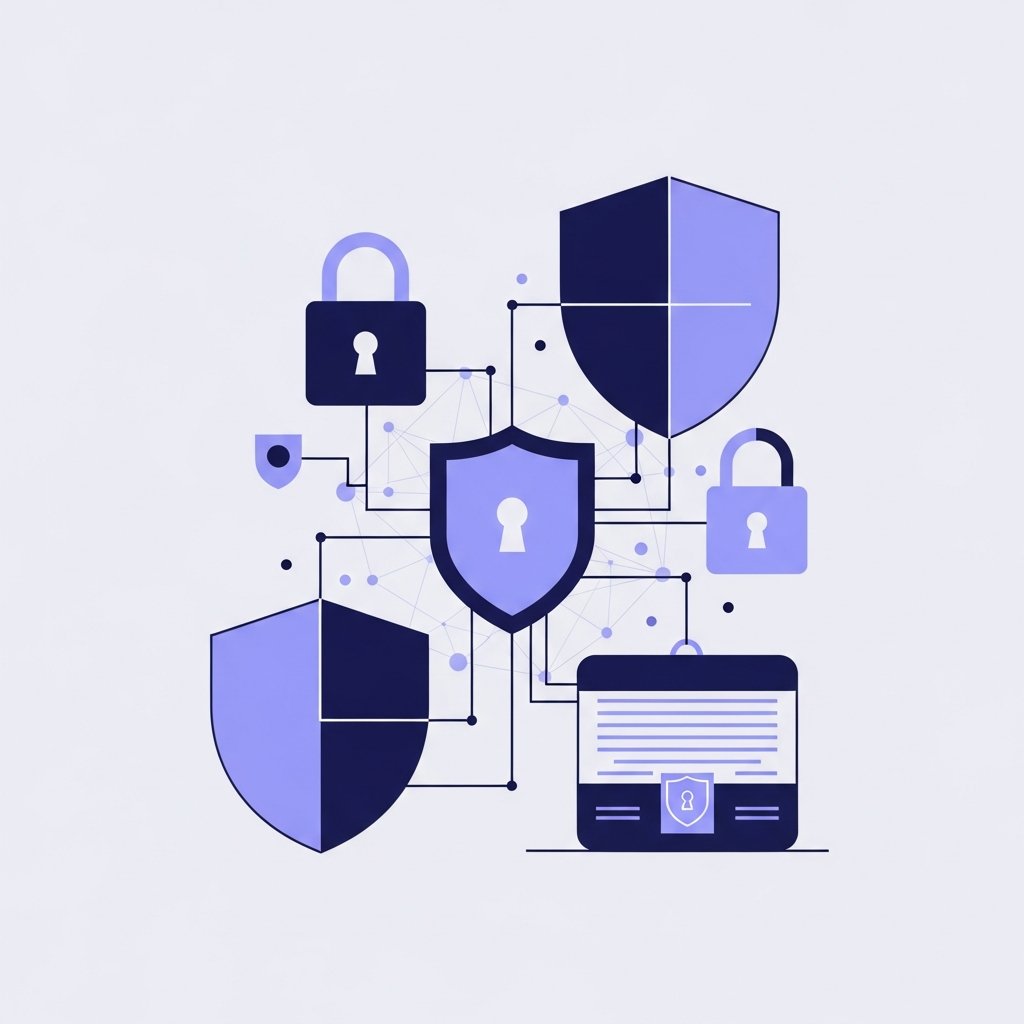
Many businesses worry AI means exposing data to public models like ChatGPT. Proper implementation actually keeps your information private and protected.

AI-first software design integrates AI into the core of every system, not as an add-on. It's a fundamental rethinking of how software should work.
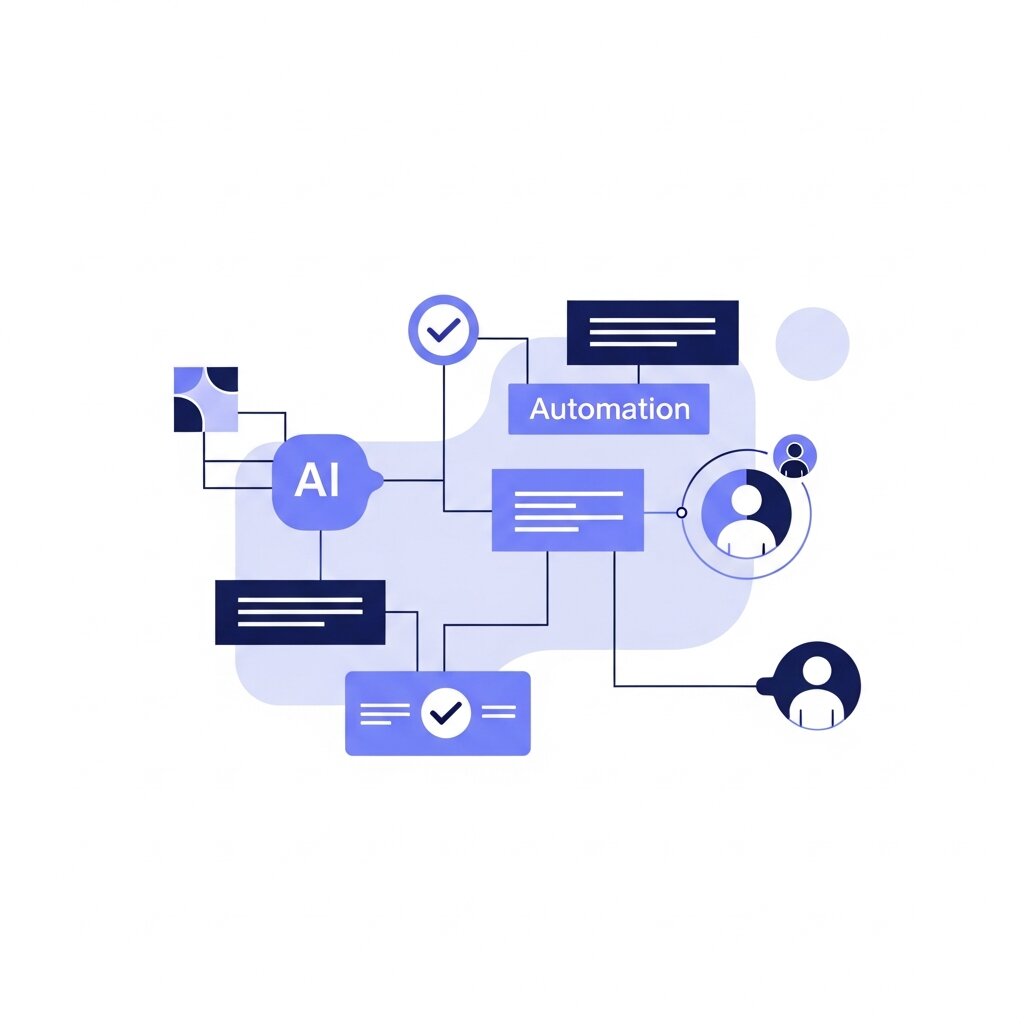
Traditional software requires extensive UI for human interaction. AI opens a new paradigm where machines handle data and decisions, humans focus on review.
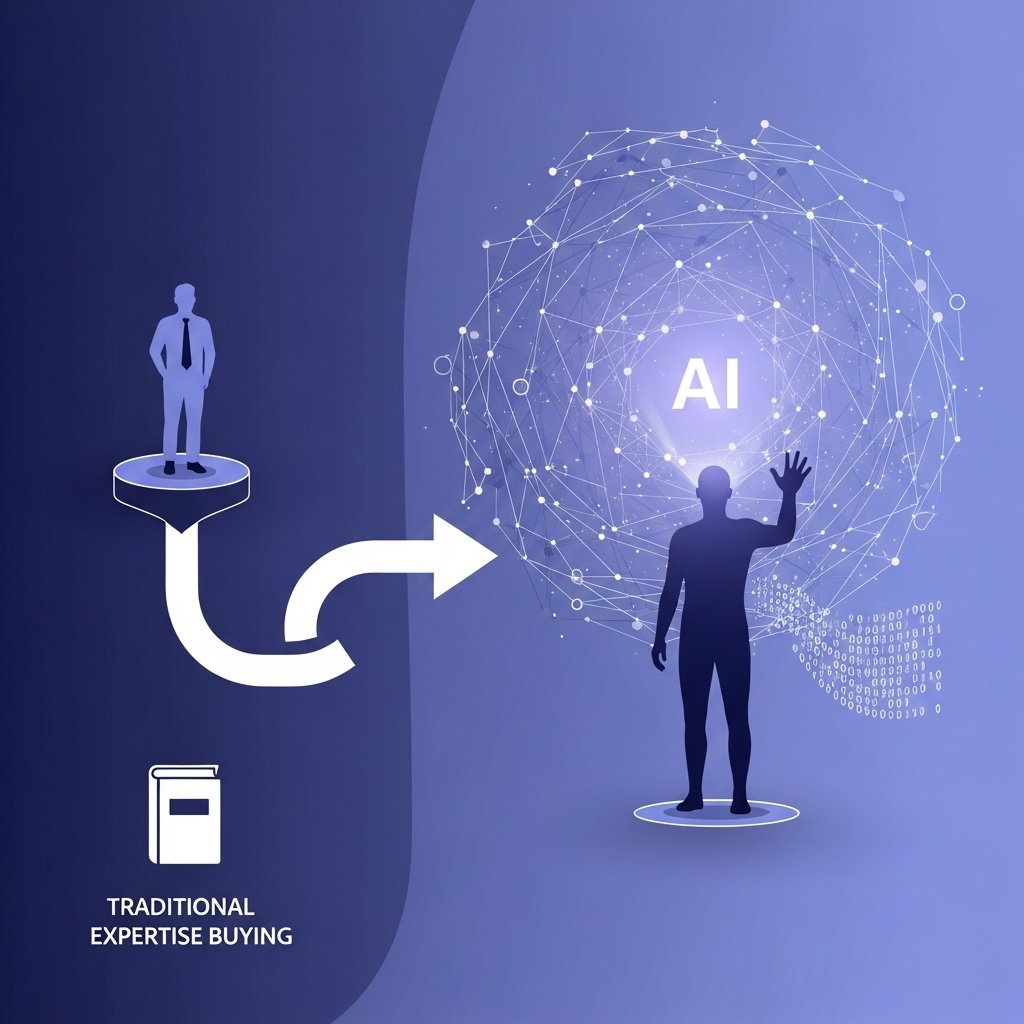
We're conditioned to buy expertise when we need it. AI is changing that assumption—here's the mindset shift that unlocks new business capabilities.
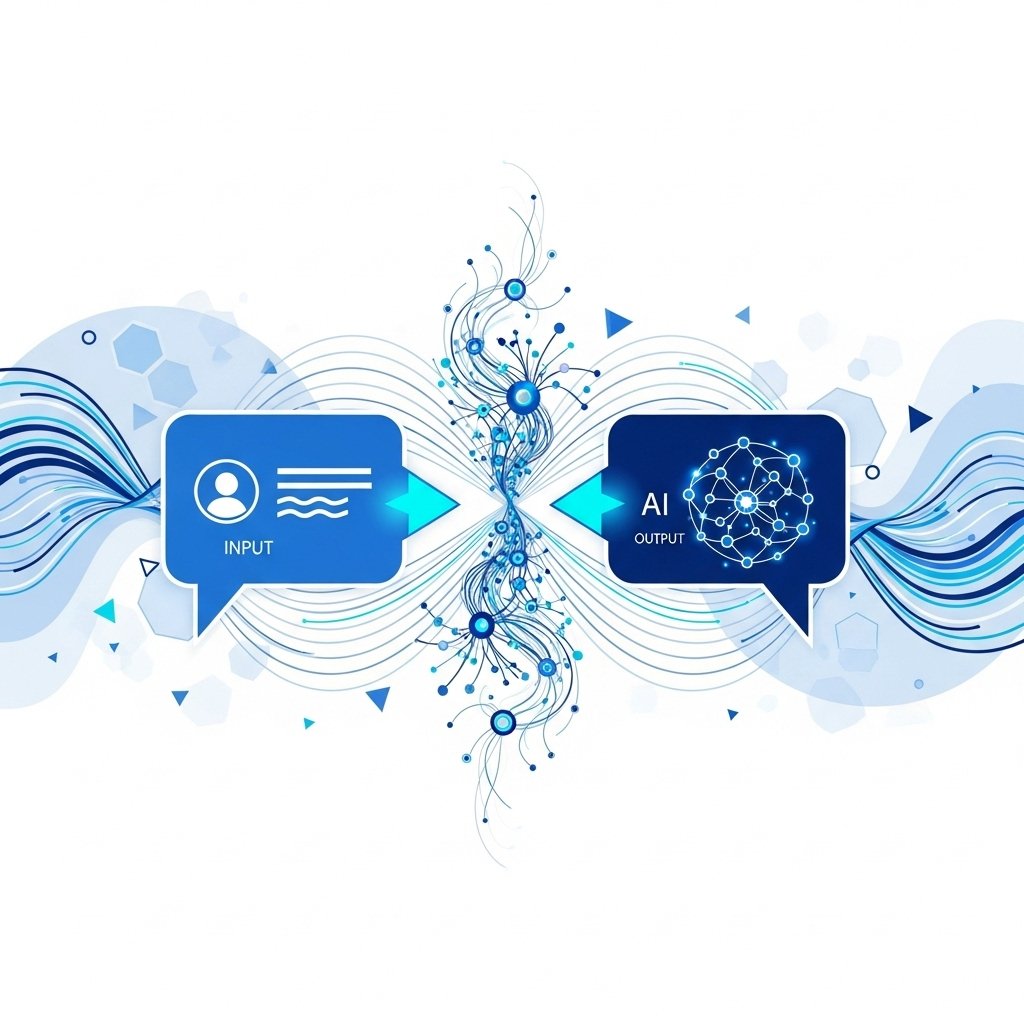
Getting good results from AI isn't magic—it's about knowing how to ask. Here are the techniques that separate powerful AI use from frustration.
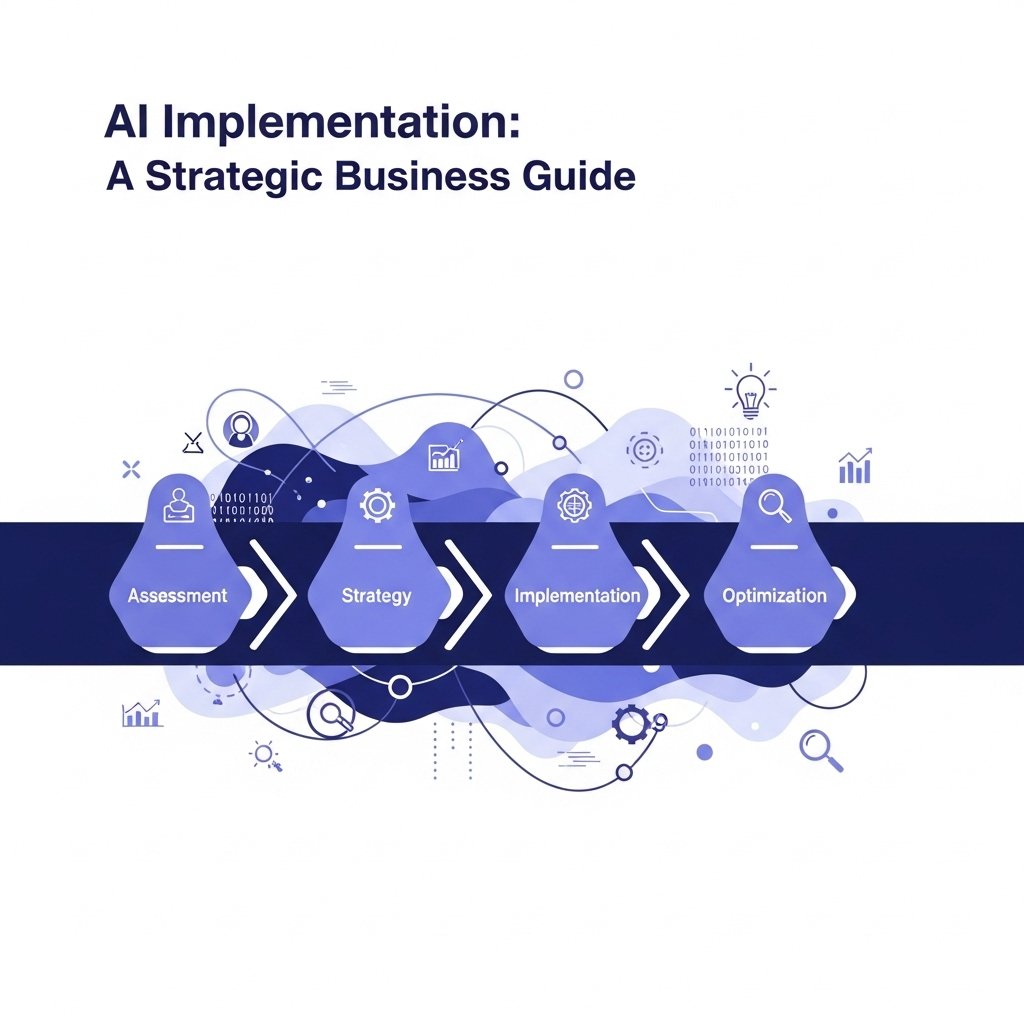
A practical, step-by-step guide to successfully implementing AI in your business—from planning through execution to measuring results.
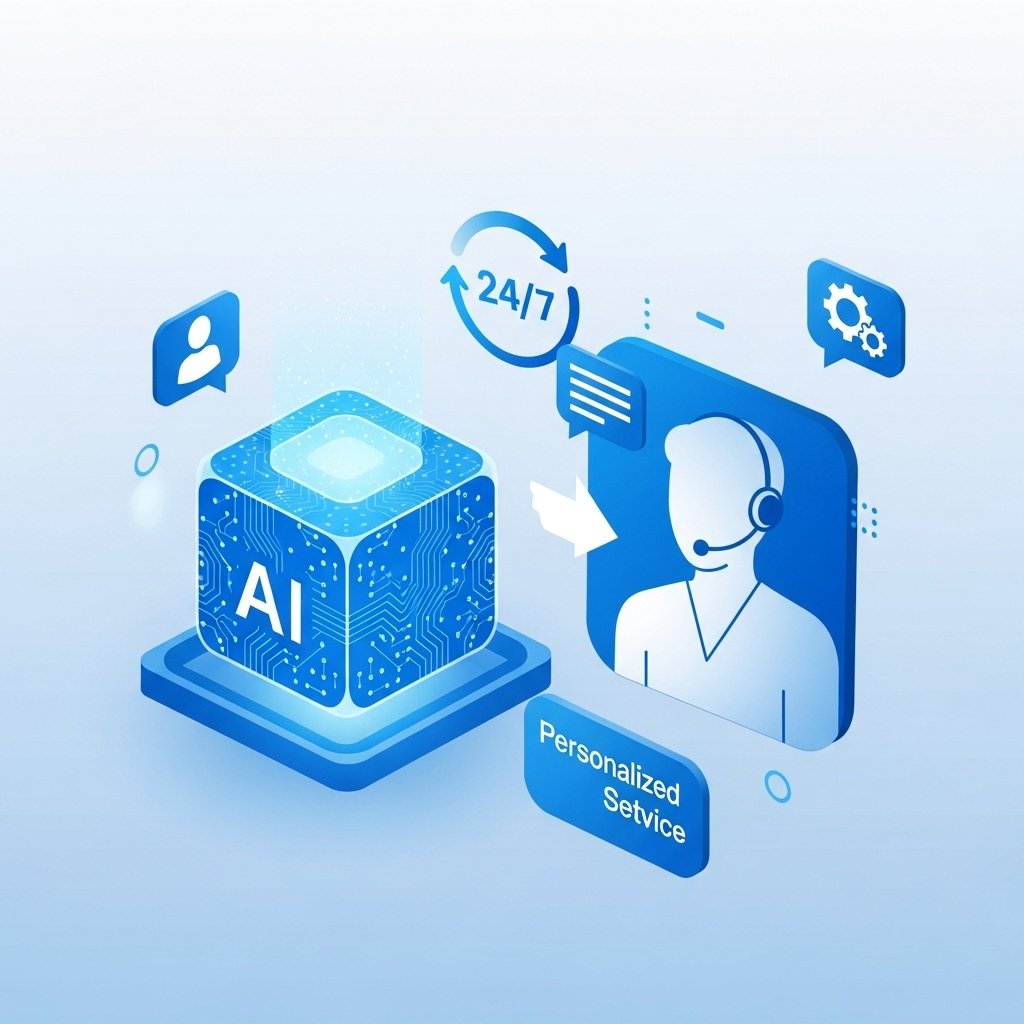
AI is fundamentally changing customer service—extending availability, improving response times, and enabling personalization at scale.
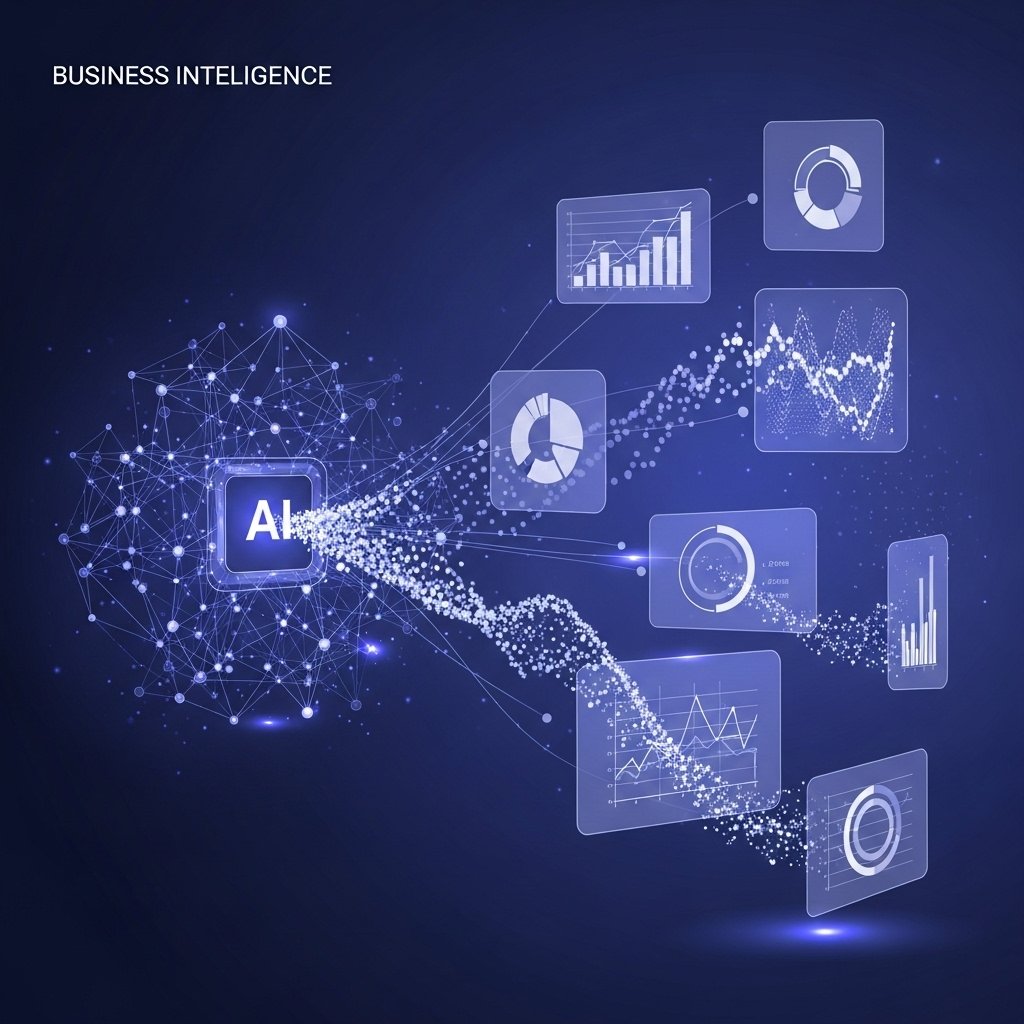
AI is unlocking insights from data that would be impossible to find manually. Here's how businesses are using AI analytics to make better decisions faster.
AI automation can dramatically improve efficiency, but success requires knowing what to automate and what to keep human. Here's how to find the right balance.
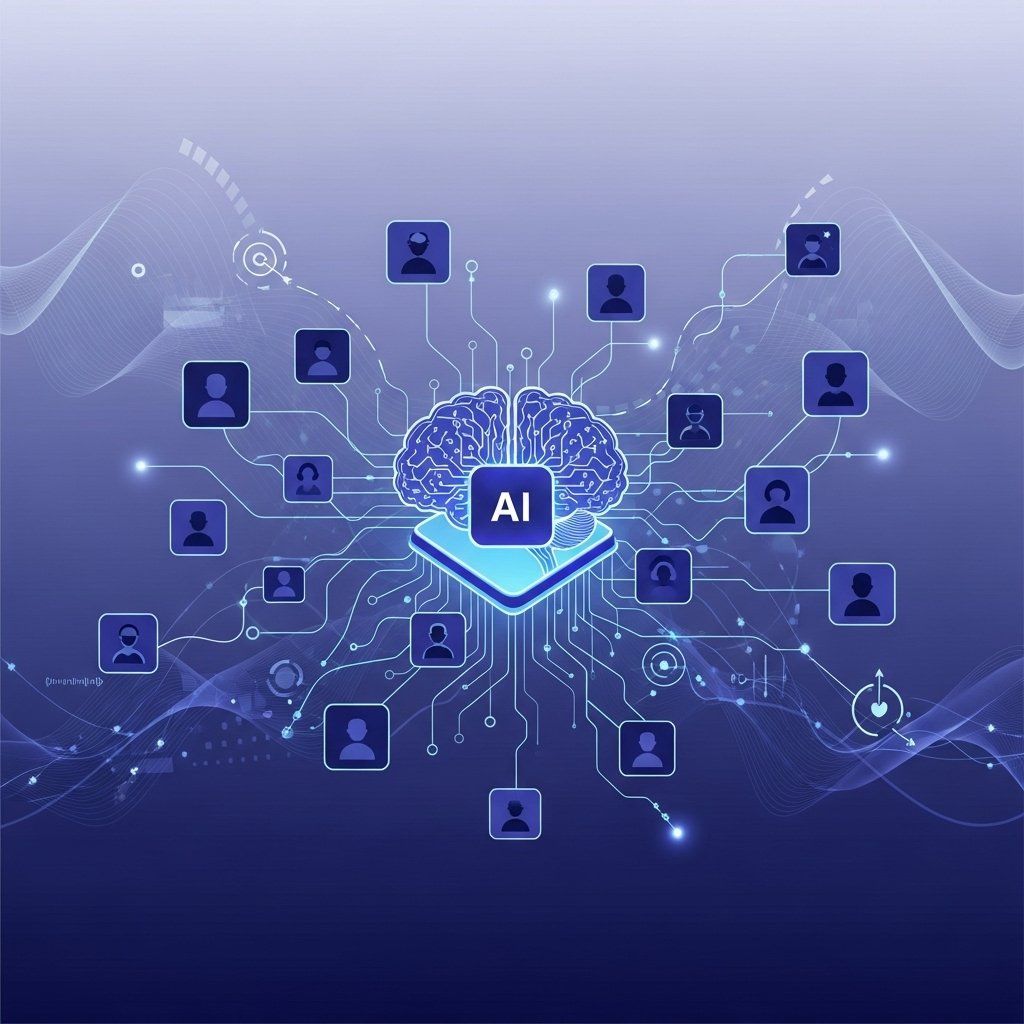
AI is making true personalization at scale possible for the first time, and businesses using it are seeing dramatically better engagement.
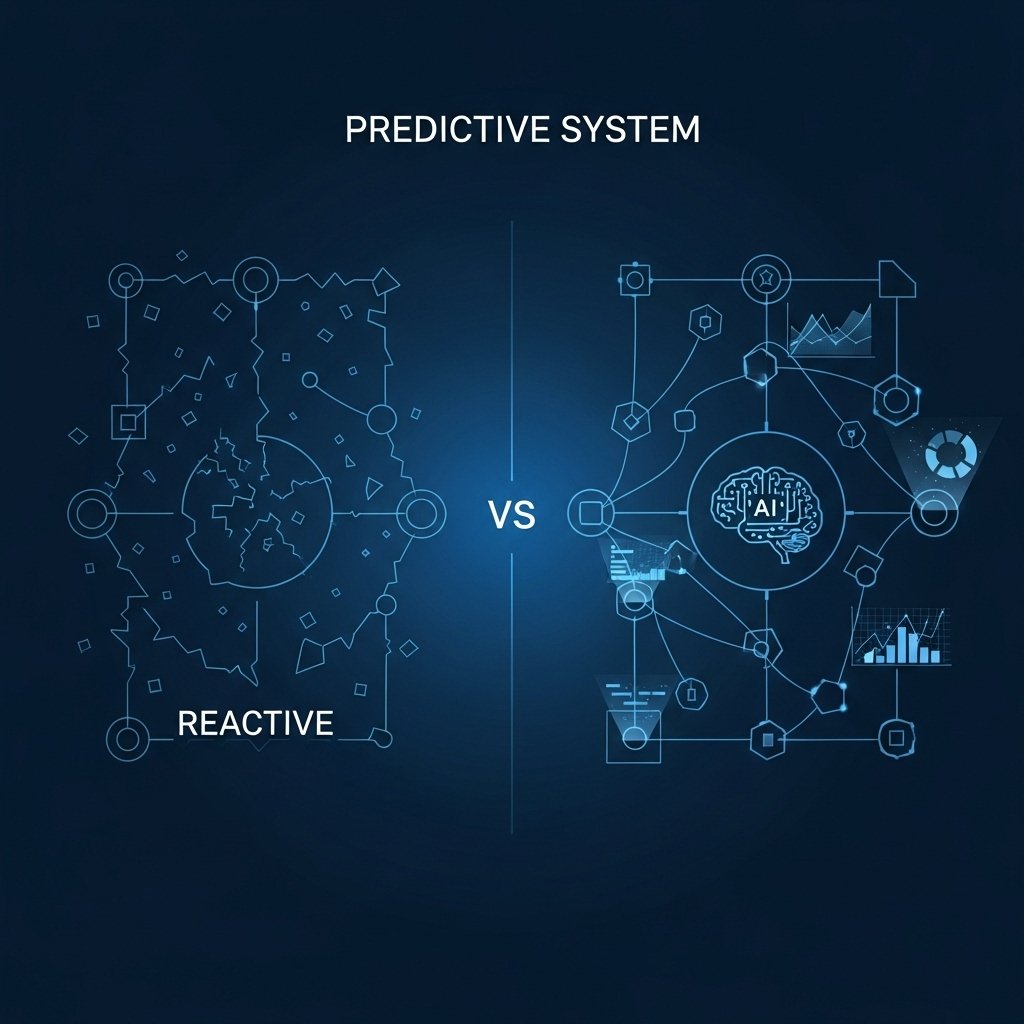
Supply chains have traditionally been reactive. AI enables truly predictive operations—anticipating needs and preventing problems before they occur.
Cyber threats are evolving faster than traditional security can keep up. AI detects threats earlier, responds faster, and adapts to new attacks.
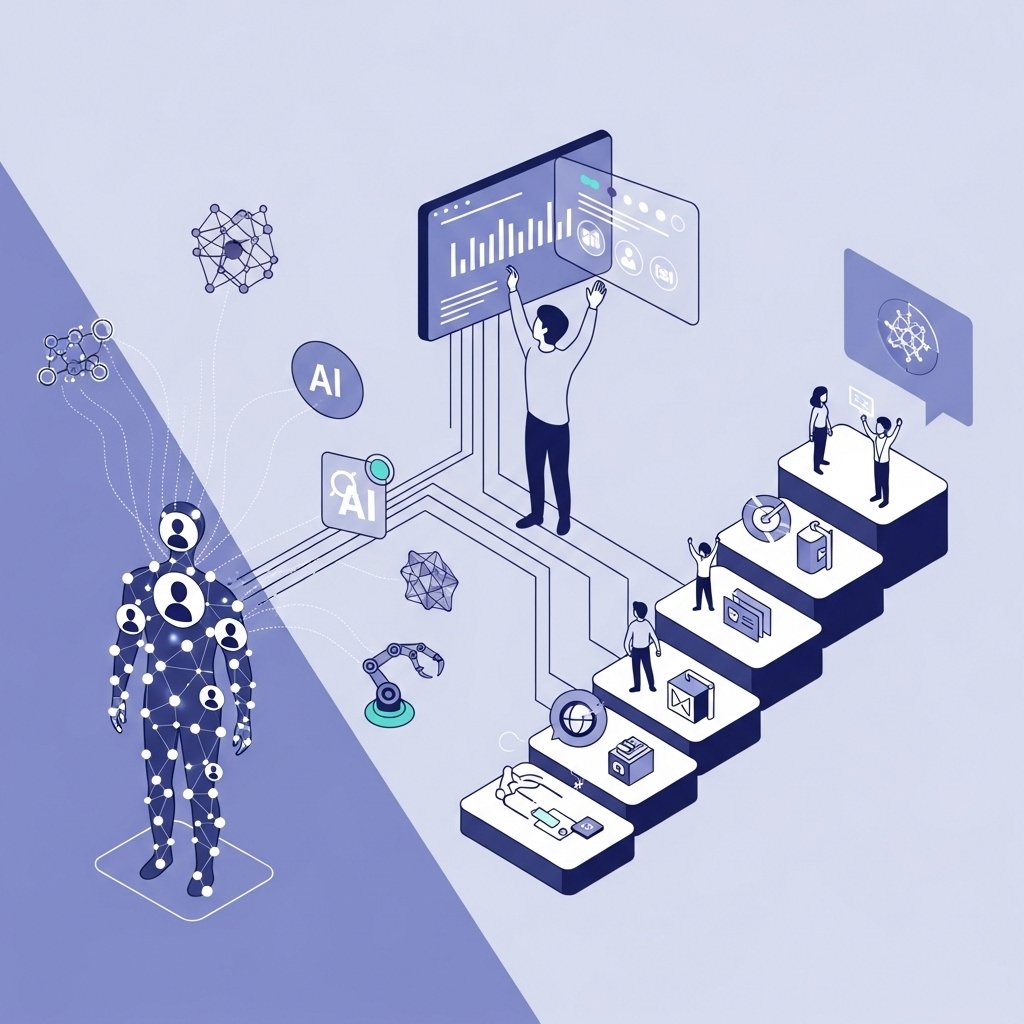
AI is changing how HR teams work—making recruiting more efficient, improving retention, and enabling more personalized development.
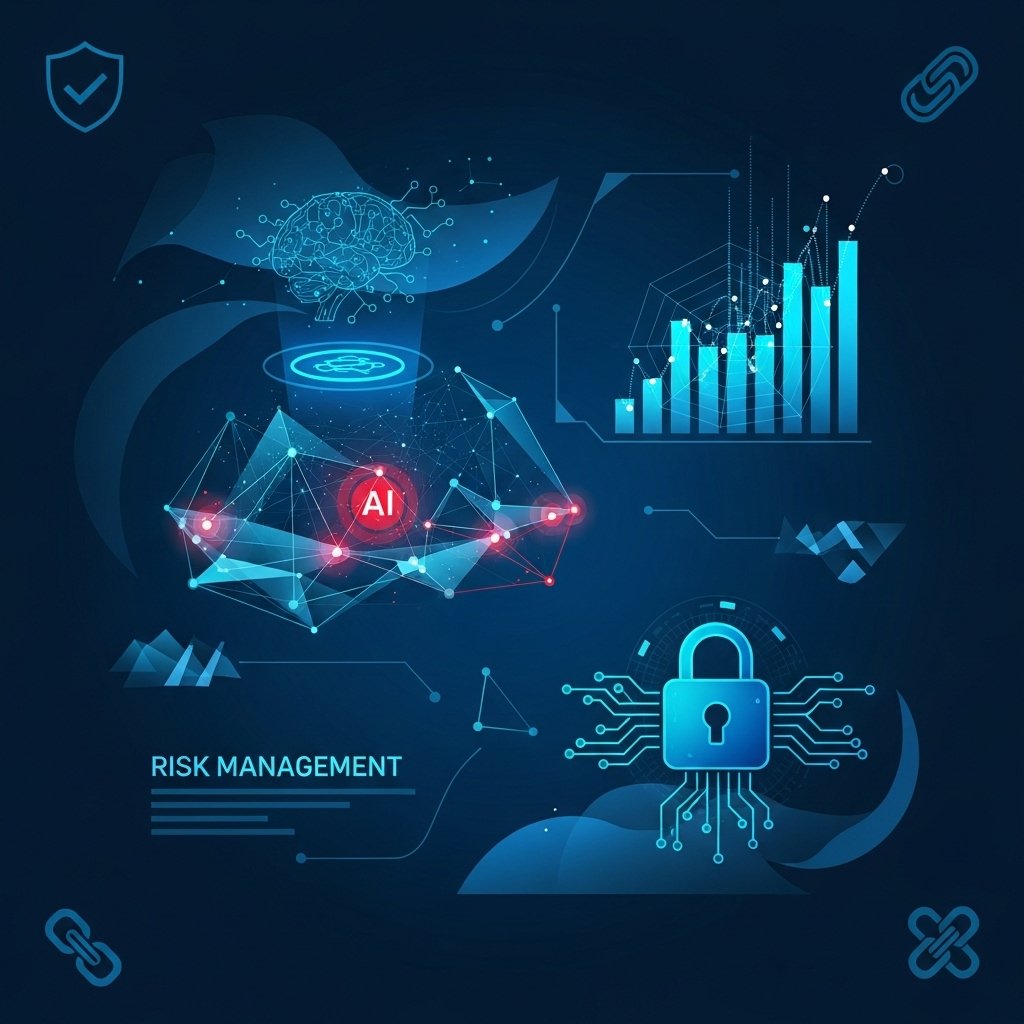
AI is transforming financial services—improving fraud detection, enhancing risk assessment, and streamlining operations without compromising compliance.

AI is transforming healthcare—supporting better clinical decisions, enabling predictive care, and improving operations without compromising patient safety.
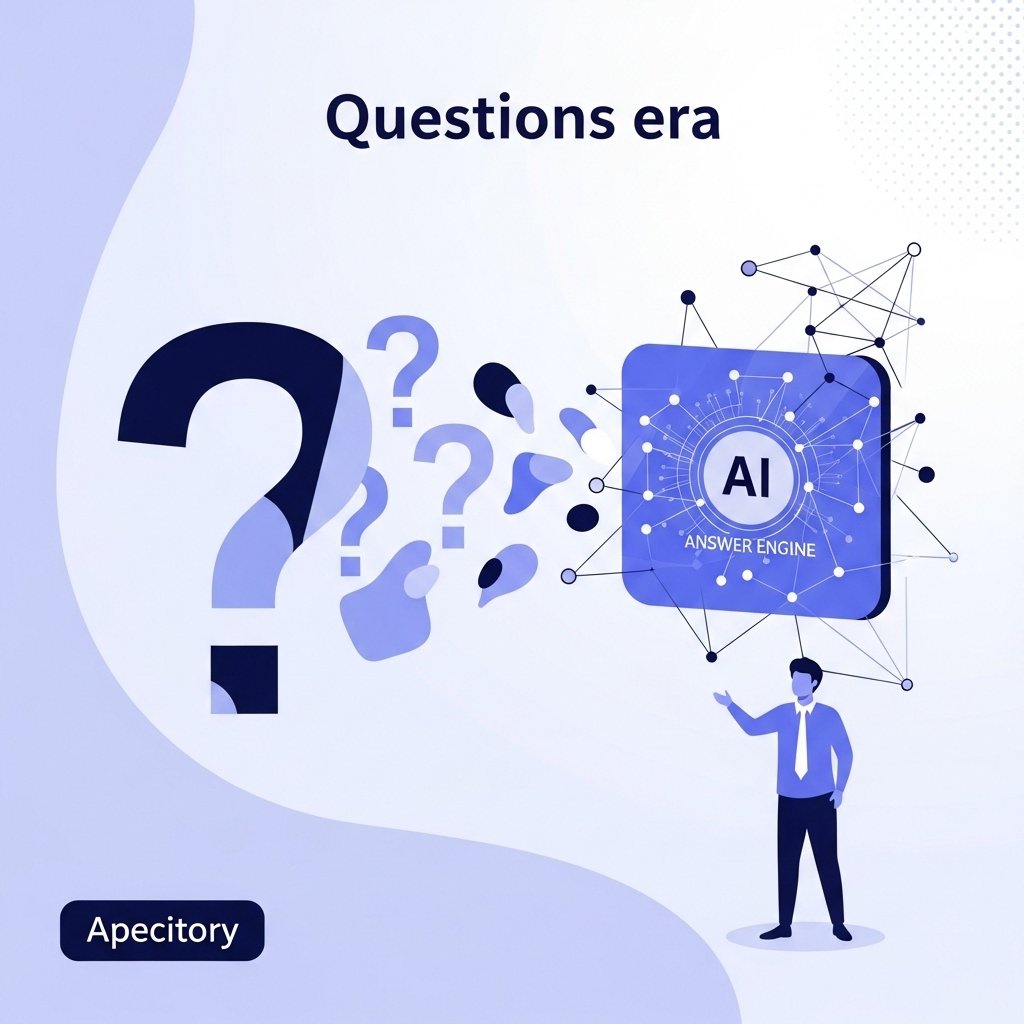
We're entering an era where knowing how to ask the right questions matters more than having all the answers. Here's why that changes business.